Professional Property Management vs. Property Management Software
- Property management software can help with routine rental operations, including rent collection and document storage, but it’s important to know its limitations.
- The Miami market presents a specific set of challenges for rentals, from hurricanes to condo associations, that require consideration.
- A professional property manager can provide additional benefits to those offered by property management software, and many owners utilize both.
Property management software has changed the way owners run their rentals. For a monthly fee, you can list vacancies, screen applicants, collect rent online, track expenses and store leases in one place. It’s an appealing option for owners who are comfortable with technology.
The real question for any South Florida owner is whether a tool alone can handle everything your property demands. At Urban Resource Property Management, we’ve been serving the Greater Miami Area since 2003 and know what helps rentals run smoothly. This guide compares what software does well, where it falls short and how a professional property manager can help.
Keep your property, schedule and situation in mind as you read. Then ask yourself which tasks you feel confident handling and which you wouldn’t. Many owners find that they want help with the parts of the job, while they are happy to handle other responsibilities themselves.
Want to Know What We Can Do For You?
What Property Management Software Does Well
Good software can make an owner's life easier.

It excels at tasks that are repetitive, data-driven or administrative:
- Online rent collection: tenants pay electronically, and the system tracks payments and late fees.
- Listings and applications: many platforms syndicate listings and collect applications digitally.
- Accounting and reporting: income and expenses are recorded, and reports are easy to generate at tax time.
- Document storage: leases, notices and receipts are organized and searchable.
- Maintenance tracking: tenants can submit requests and you can log work orders.
For an owner with one well-maintained property and a reliable tenant, software may be all that is needed.
Even then, someone has to configure the system, enter the leases, set up the payment schedules and review the reports. Someone also has to read notifications, respond to tenant messages and make decisions in unusual cases. Software can make those tasks faster, but it can't decide for you.
Where Software Falls Short
Software can help organize information, automate routine tasks, track rent payments, and keep important records in one place. It doesn’t, however, replace human judgment when making complex decisions, respond in person during emergencies, or build strong landlord-tenant relationships.
Technology can make rental management more efficient, but successful property ownership still requires communication, problem-solving and hands-on oversight.

Before investing solely in software, consider what it can’t do for your rental business:
- Inspect the property. Software can’t walk through a unit and notice a water stain, a failing roof or an unauthorized pet.
- Vet and manage vendors. It can log a work order, but someone still has to find a reliable vendor, negotiate pricing, verify the repair and handle the invoice.
- Navigate local government. Violations, permits and inspections require someone who knows the process.
- Handle difficult conversations. Late rent, lease violations and disputes call for experience, not automation.
- Manage evictions. Florida has strict notice and court procedures, and mistakes can be costly.
- Respond in an emergency. A burst pipe at midnight requires a person who can act immediately.
The Hidden Cost of Doing It Yourself
Software is inexpensive, but your time is not.
Try a simple exercise. Estimate how many hours a month you spend on the rental, including calls, texts, showings, tenant screening, coordination and paperwork. Multiply that by what your time is worth to you, whether at your hourly wage or at the value of your free time. Then compare the total with the management fee.
Many owners are surprised to find that the real cost of doing it themselves is higher than they assumed, particularly for repairs or vacancies. If you work full time, live out of the area or own multiple properties, those responsibilities add up quickly.
Want More Information?
What South Florida Owners Face
The local environment makes professional experience especially valuable.
- Hurricane season: Preparation, post-storm inspections, insurance claims and repairs require fast, coordinated action.
- Humidity and moisture: Mold, leaks and air conditioning problems are common and can escalate if not addressed promptly.
- Condo and HOA rules: Many rentals are in associations with their own approval processes, rules and fees.
- Municipal requirements: Different cities and counties have their own licensing, inspection and code requirements.
- Landlord-tenant law: Florida's statutes include specific rules on notices, deposits and evictions.
- Out-of-state ownership: Many South Florida investors live elsewhere and cannot be on site when something happens.
How a Professional Manager Adds Value
The best property managers do more than collect rent.
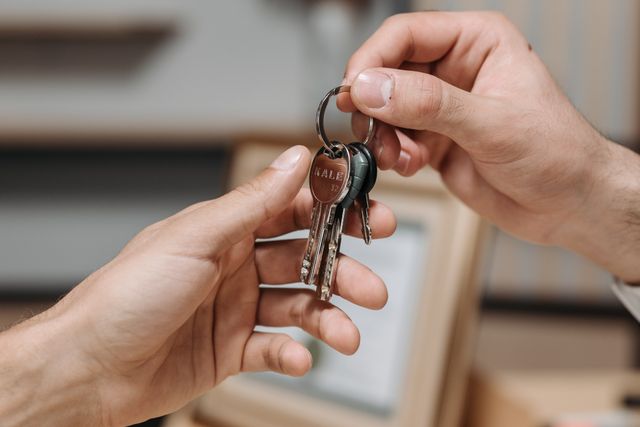
They protect and grow your investment. A strong manager brings:
- Marketing expertise that fills vacancies faster, with accurate pricing, quality photos and virtual tours.
- Rigorous tenant screening that reduces the risk of nonpayment, damage and turnover.
- Consistent inspections that catch small problems before they become big expenses.
- Vendor relationships that mean faster repairs and better pricing.
- Legal compliance with notices, leases and local requirements.
- Strategic guidance on capital improvements, rent adjustments and long-term performance.
Managers in the Miami area can utilize software too, and that combination is a real advantage. Technology provides speed and transparency, while management experts provide sound judgment and accountability.
A Side-by-Side Look
It’s helpful to compare both options and consider how each path would affect your day-to-day.
- Cost: Software is lower in monthly fees. Professional management costs more but replaces your time and reduces costly mistakes.
- Time: Software saves some effort but still requires you to do the work. A manager takes on the work.
- Risk: With software, you carry all legal, financial and operational risk. A manager shares the responsibility with experience.
- Scalability: Software becomes harder to manage as you add properties. A manager scales with you.
- Local knowledge: Software has none. A local manager lives in the area and understands the Miami market.
Bottom Line
Software may be a good fit if you own one or two properties nearby, enjoy the process, have time to respond quickly and understand local landlord-tenant law.
If you are unsure, consider a middle path. Some owners begin with software, then move to professional management when their portfolio grows. Others hire a manager from the start and use the owner portal to stay informed.
Professional property management is the stronger choice if you live out of the area, own multiple properties, deal with code or violation issues or simply want the reassurance of daily operations handled by a professional.
Have Questions for Our Team?
Frequently Asked Questions
How Can Landlords Avoid Common Mistakes With Property Management Software?
The most common mistake is not knowing the limitations of the software. Even useful tools can only do so much. Before you commit, remember the hidden cost: the monthly fee is kept low at the cost of your time and risk. If you outgrow the setup or find you're not keeping up with it, that's the signal to consider professional management.
How Does Hurricane Season Affect Rental Properties in Miami?
Hurricane season makes preparation, response and documentation critical, because a storm can damage your property, trigger insurance claims, and create vacancies. Preparation means having a plan and landlord coverage before a storm hits. Post-storm work—inspections, claims and repairs—requires a quick response that an owner may find difficult to manage alone.
How Can A Property Manager Make Handling Environmental Risks Easier for Miami Landlords?
South Florida's humidity and moisture create habitability risks that can escalate quickly when not addressed promptly. A manager's consistent inspections catch these small problems before they become expensive repairs, and their vendor relationships mean faster response and better pricing when something does go wrong.
Can a Property Manager Help Reduce Vacancy?
Yes. A good manager brings a combination of marketing expertise and local knowledge that helps fill vacancies faster. For owners with out-of-state portfolios, the ability to keep a property marketed, shown and rented without being on site can shorten vacancy periods considerably.
What Should Landlords Know About Condo and HOA Rules in This Local Market?
Miami-area rentals with condo associations or HOAs require a lease to comply not just with Florida landlord-tenant law, but also with association documents that may restrict rental terms, require board approval or impose move-in fees. A manager who’s familiar with these systems can navigate them effectively.